
Hey there! If you’re keeping an eye on what’s new in the entertainment world, here’s a trend you’ll love, and you’ll definitely be hearing more about: short-form, mobile-first content. It’s like your favorite storytelling, but made for right now.
What’s going on?
- Viewers today don’t always want to commit to a full 90- or 120-minute film, or even a long TV season. They often want something quick, compelling and mobile-friendly. According to research, short films and micro-dramas are surging because they match our changing viewing patterns. Royal Stag Barrel Select Shorts+2worldfilmcarnival.com+2
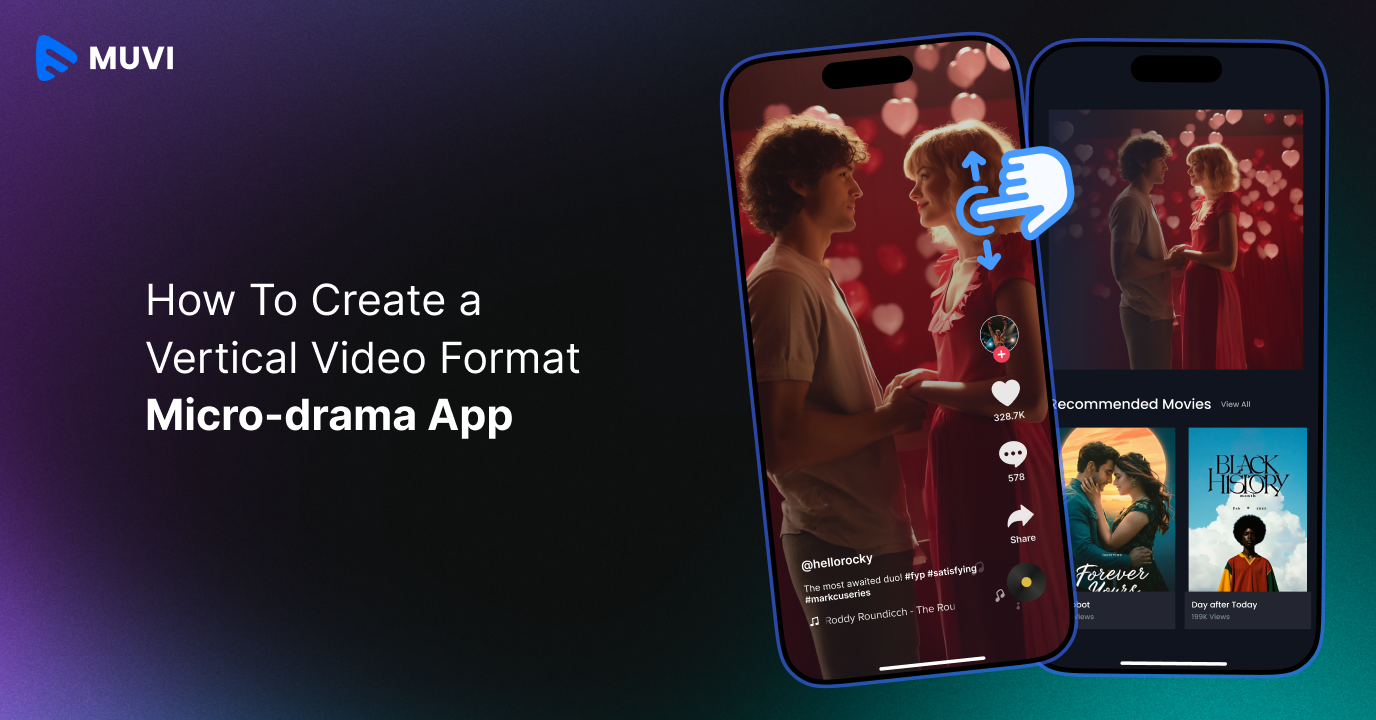
- The format is evolving: vertical videos, smartphone-optimized episodes, quick turnarounds, global distribution. For example, the Chinese term Duanju (micro or vertical dramas) has grown huge by this model. Wikipedia+1
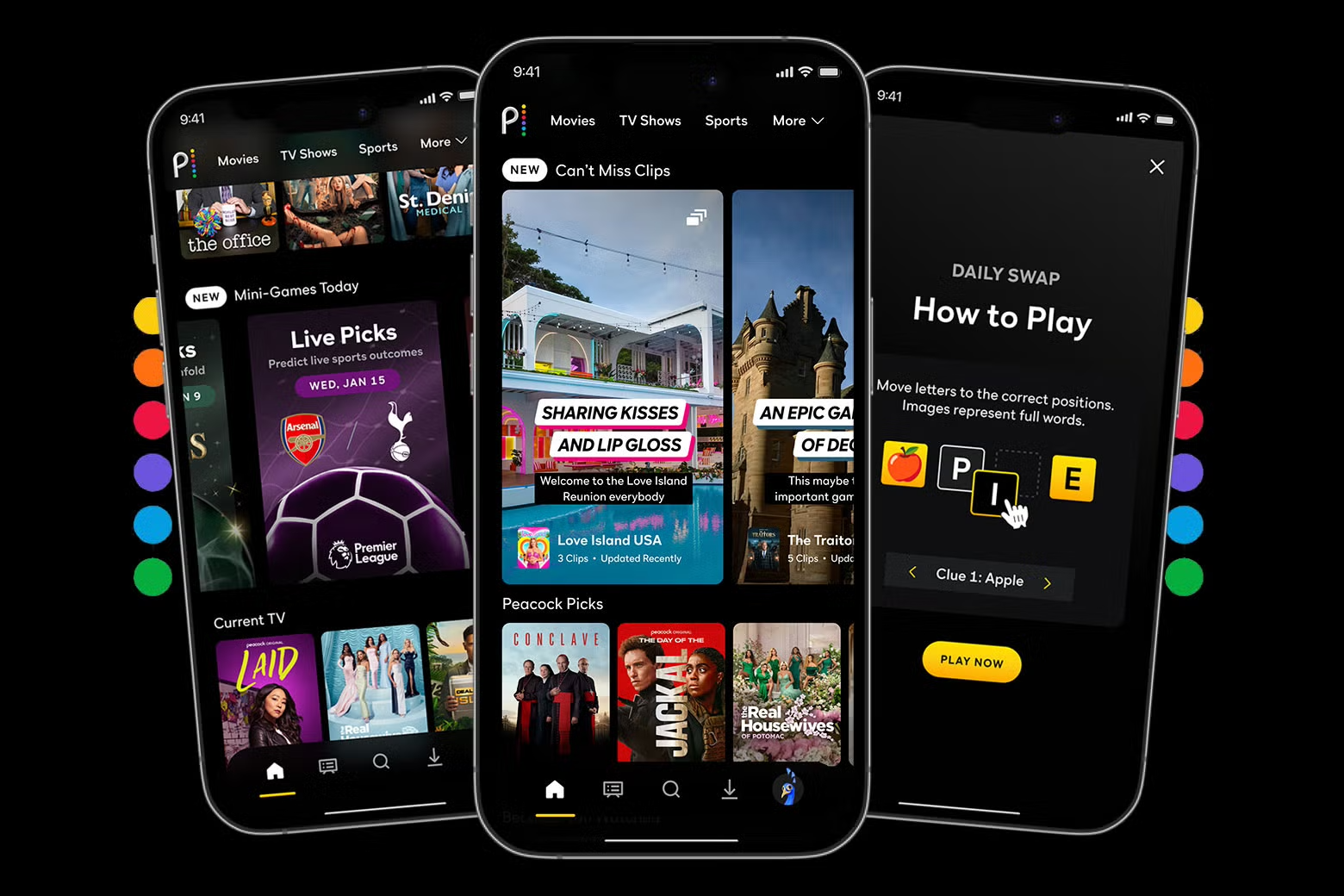
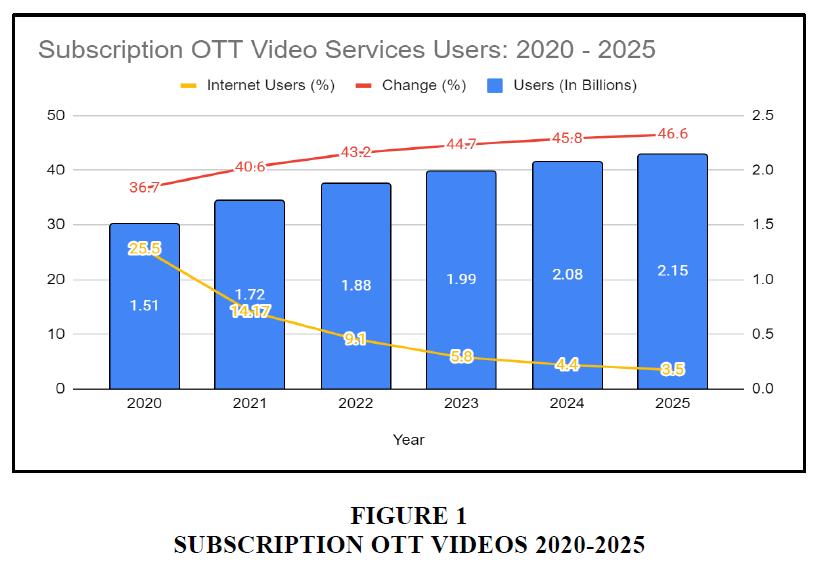
- Streaming platforms and social media are part of the push. Because short-form content is more shareable, more snackable, more social. Allied Business Academies+1
Why it matters (and why you should care)
- Accessibility for audiences: Busy lives, mobile phones, quick breaks, these make short-form content very appealing. You can start and finish something meaningful in one go.
- Opportunity for creators & indie talent: Lower budgets, less risk, more experimentation. New voices get a shot. axecila.com
- Platform innovation: Streaming services and apps are adapting. Formats that used to be niche are being taken seriously.
- Global reach: Because short doesn’t mean “local only” stories optimized for mobile can cross borders easily.
- Changing the “what counts as a show” definition: When episodes are 2-5 minutes, or stories are told in vertical format on phones, the lines between “TV series”, “film” and “mobile short content” blur.
Key features of this shift
- Vertical / mobile-first format: Productions shot in 9:16 ratio for smartphones. The viewer holds the phone vertically. That’s become standard in some micro-dramas. filmsbybleach.com+1
- Short runtime: Episodes could be just a few minutes. Entire “seasons” sometimes equal the length of a short film. Wikipedia
- Distribution & monetization shifts: Instead of just festival-circuits, short films and micro-series are now available on streaming, ad-supported, vertical platforms, social apps. axecila.com+1
- Audience engagement & social nature: Because content is shorter, more sharable, easier to digest and discuss.
- Creative experimentation: Formats/free-form storytelling/styles that wouldn’t fit traditional long film/TV can now find a home. Atlantic Pictures
What this means for the future of movies/TV
- Big budgets and long runtimes won’t go away, there’s still a place for epic films and full seasons. But expect more variety.
- Traditional release windows and viewing habits are being challenged. Audiences may watch less of the “big chunk” and more of the “bite-size chunk”.
- Platforms will compete not just on “what film can I show” but “what new form of story can I deliver”.
- For you (the viewer), more choices, you might binge a full season in 10 minutes, or explore experimental storytelling you wouldn’t have tried before.
- For creators, it opens doors to break through. Micro-dramas or short films become windows into bigger projects.
Friendly tips if you’re a viewer or creator
- If you’re browsing what to watch, don’t ignore short films or micro-series, they might surprise you and fit your schedule better.
- For creators: think “What can I tell in 5 minutes? In vertical format? On mobile?” this might be your gateway.
- For fans: share the short ones. They’re designed for social-friendly formats.
- Keep an eye on platforms that specialize in these kinds of formats, they may be the next big things.
- If you like traditional films/series, use this trend to supplement your watching, not replace. Sometimes the short format complements long format beautifully.
Leave a Reply