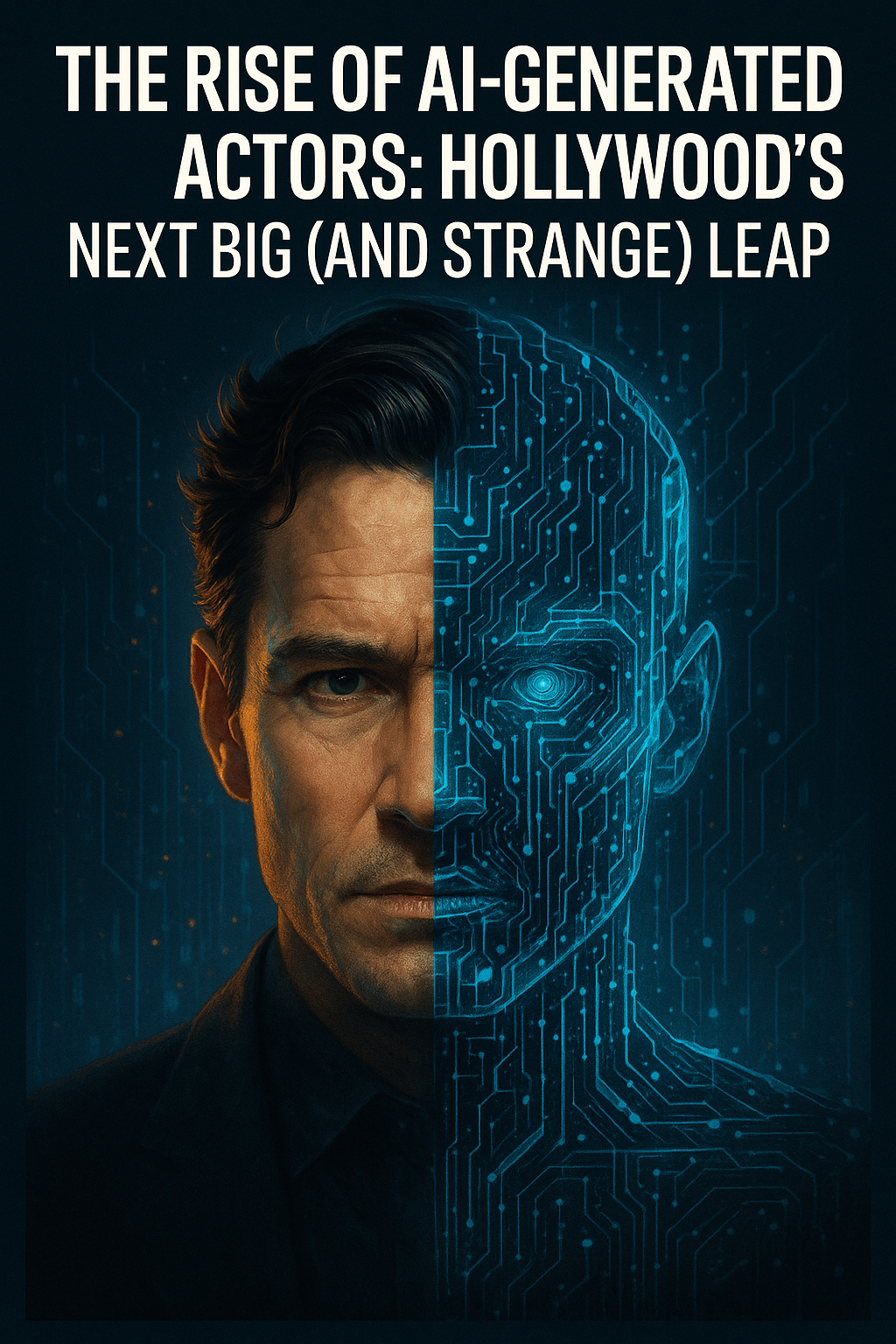
The Line Between Real and Digital Is Blurring Fast
You’ve probably noticed it already, that eerily lifelike character in a commercial, or the young version of your favorite star in a flashback scene that looks too real. Well, that’s no CGI illusion anymore. Hollywood is stepping into the era of AI-generated actors, and it’s changing the way stories are told (and who gets to tell them).
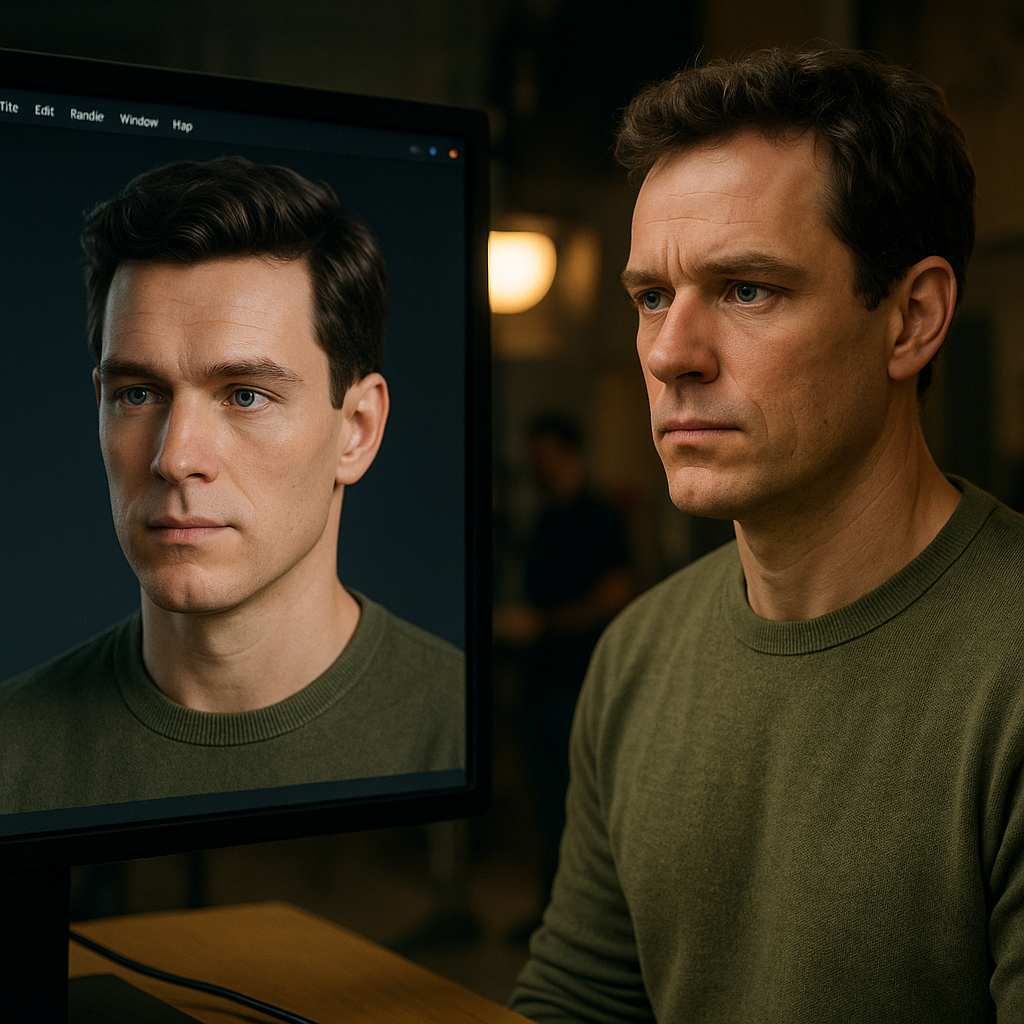
What Exactly Are AI-Generated Actors?
In simple terms, they’re digital humans created using advanced AI tools, trained on thousands of facial scans, voice samples, and motion captures. These “actors” can perform lines, show emotion, and even age or de-age on command.
Studios like Disney and Netflix are already experimenting with this technology to recreate younger versions of stars or to continue performances of late actors with permission, of course (and some debate).
Why Everyone’s Talking About It
The rise of AI actors isn’t just about cost or convenience. It’s about creative freedom, filmmakers can now create entire worlds without physical limitations. Need a new actor with Tom Hanks’ charm and Zendaya’s presence? AI can blend traits and make it happen.
But there’s a flip side. Many actors and unions are voicing concerns about digital likeness rights, who owns your face or voice once it’s scanned? That’s where the ongoing AI clauses in contracts come into play, setting new rules for a very futuristic industry.
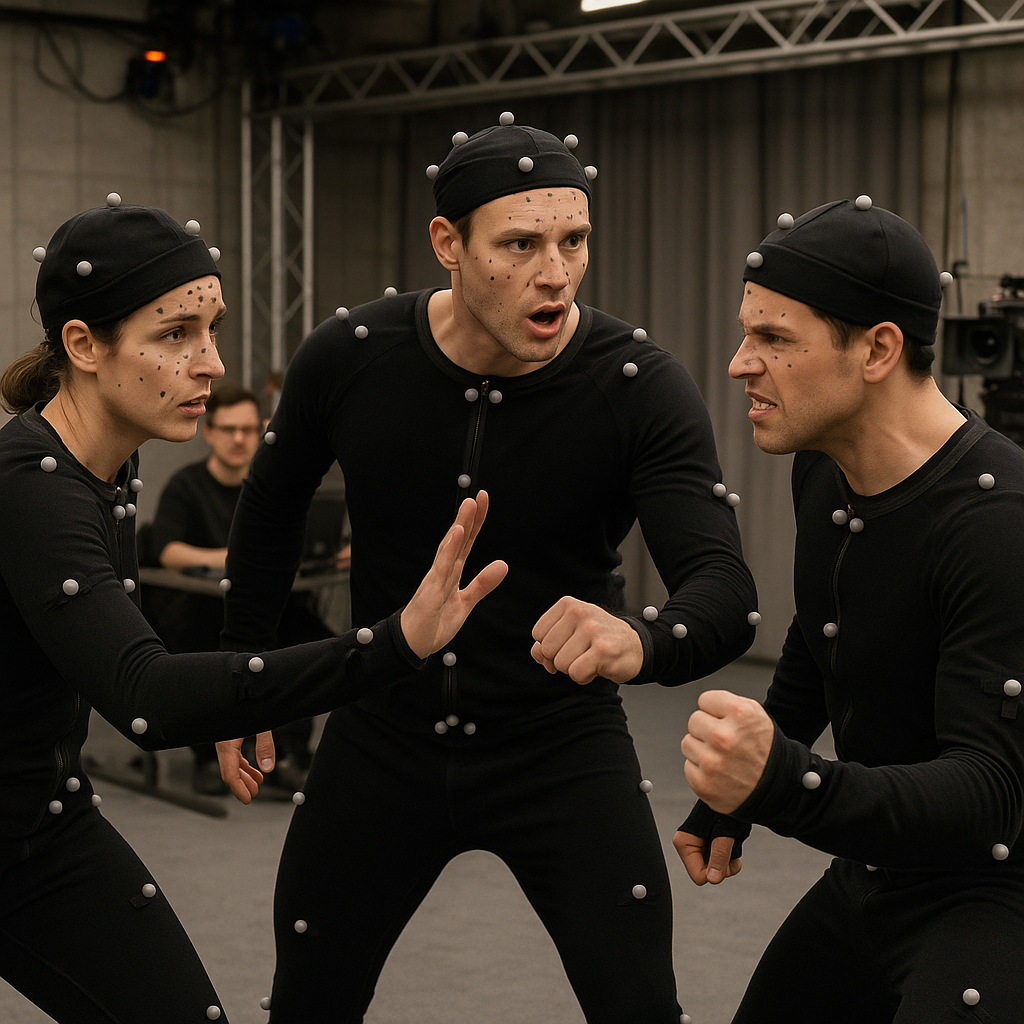
The Good, the Bad, and the Uncanny
The Good:
- Reviving beloved characters without recasting.
- Reducing expensive reshoots.
- Helping indie creators bring ambitious visions to life.
The Bad (or weird):
- Ethical gray areas around identity and ownership.
- The risk of losing the human spark, that emotional unpredictability real actors bring.
Still, when balanced right, AI-generated performances could actually enhance storytelling rather than replace it.
What’s Next for AI in Film & TV
Expect 2026 to bring more AI-assisted productions not full replacements, but collaborations. Human actors plus AI tech could open the door to infinite creativity, making stories bigger, bolder, and more visually stunning.
And who knows? In a few years, your favorite Netflix drama might star an actor who never existed in the real world but makes you cry all the same.
Final Thoughts
AI isn’t here to end acting, it’s here to evolve it. Like color TV or streaming once did, it’s the next chapter in entertainment’s ongoing story of change.
Whether you love it, fear it, or find it fascinating, one thing’s clear: the credits of tomorrow might include a few names you’ll never find on IMDb.
Leave a Reply